Profitability New Complex Of Luxury Goods Challenges for Kering Amid Declining Demand. In the ever-volatile luxury market, profitability remains a critical concern, particularly as demand fluctuates. Kering, a prominent name in the luxury sector, reported a significant 50% decrease in net profits during the first half of 2024. This substantial decline underscores the difficulties luxury brands face in maintaining margins when demand wanes.
Profitability dominated the discussions during recent results calls, highlighting the importance of strategic adjustments to weather economic downturns. As the market evolves, luxury brands must navigate these challenges to sustain their financial health and market position.
EU’s Consultation on AI Act Guidelines: A Step Towards Trustworthy AI Luxury Goods
The European Union is making strides in regulating artificial intelligence through its AI Act, which aims to establish a risk-based framework for AI usage. The EU has initiated a consultation to refine the guidelines, particularly targeting companies like Anthropic, Google, Microsoft, and OpenAI that develop general-purpose AI models (GPAIs). This consultation represents a significant move towards creating “trustworthy” AI systems by offering developers clear directions on fulfilling their legal obligations.
Key Aspects of the Consultation:
Transparency and Copyright Provisions:
The first section of the consultation addresses transparency and copyright issues related to GPAIs, ensuring that AI models are developed and used ethically.
Systematic Risk Guidelines:
The second section examines guidelines for GPAIs with “systematic risk,” defined as models trained above a specific compute threshold. This aims to mitigate potential risks associated with highly complex AI models.
Codes of Practice:
The third section reviews and monitors the Codes of Practice for GPAIs, ensuring ongoing compliance and adaptation to emerging AI challenges.
New Complex Of Luxury Goods. The consultation also addresses concerns about the exclusion of civil society organizations from the drafting process, highlighting the need for inclusive and unbiased regulatory practices.
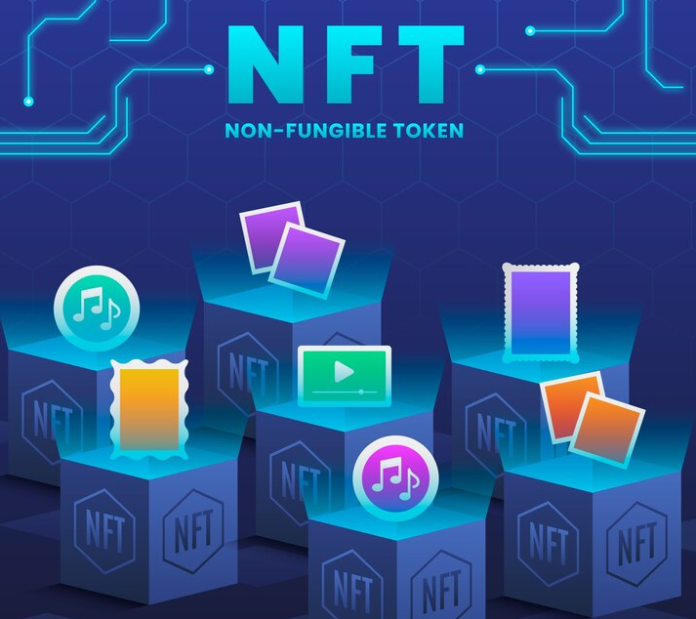
Legal Action Over NFTs: Artists Challenge SEC’s Authority
In a groundbreaking move, two artists, Jonathan Mann and Brian Frye, have filed a lawsuit against the US Securities and Exchange Commission (SEC) to determine whether the government has the authority to regulate NFTs. This case, currently being heard by the U.S. District Court for the Eastern District of Louisiana, seeks clarity on specific actions that might constitute violations of US securities laws regarding NFTs.
Key Issues in the Lawsuit: New Complex Of Luxury Goods
Registration Requirements:
The plaintiffs question whether artists must register their NFT artworks with the SEC before public sale, a requirement they argue could stifle creative expression.
Disclosure of Risks:
Another concern is whether artists need to inform consumers about the potential risks associated with purchasing NFTs, akin to traditional securities.
The plaintiffs draw a comparison between NFTs and tickets for Taylor Swift concerts. Arguing that regulating Swift’s tickets as securities would be absurd, thus highlighting the potential regulatory overreach by the SEC.
Emerging Luxury Consumers Post-COVID-19
The COVID-19 pandemic has reshaped consumer behavior across various sectors, including luxury goods. A study conducted by Mercedes Erra and Clément Boisseau aimed to identify the new wave of luxury consumers and their evolving relationship with luxury brands.
New Complex Of New Complex Of Luxury Goods, Key Findings:
Prosumers’ Influence:
Prosumers, proactive and foresighted consumers, play a crucial role in shaping future trends in luxury consumption. The study involved a sample of 1,800 individuals, including 20% prosumers, from Gen Z, Millennials, and Boomers who spent a minimum of €2,000 annually on luxury products.
Geographic Focus:
The study was conducted in nine top luxury markets. China, Japan, South Korea, Saudi Arabia, UAE, France, Germany, the US, and the UK. These countries represent significant markets for luxury brands like LVMH, Kering, Chanel, and Richemont.
Luxury Market Dynamics:
Despite the pandemic, the luxury market is expanding slightly as more affluent individuals emerge. Approximately 40% of luxury purchases are made by 5% of the population, highlighting the importance of targeting high-net-worth individuals.
Prada’s Miu Miu Defies Slow-Fashion Trends
Contrary to the trend of declining demand in the luxury sector. Prada’s Miu Miu line reported a remarkable 93% increase in retail sales in the first half of the year. This growth signifies a strong performance and consumer interest in the brand, defying the overall market slowdown.
Key Highlights:
Sales Growth:
Miu Miu’s retail sales nearly doubled year-over-year, showcasing the brand’s resilience and appeal amid challenging market conditions.
Overall Performance:
The Prada Group reported a 17% increase in net sales, reaching €2.55 billion. The group’s flagship Prada brand also saw a 6% increase in retail sales, reflecting a consistent expansion.
The management team of Prada will discuss these results in an upcoming teleconference, shedding light on their strategies and outlook for the future.
Conclusion:
The landscape of luxury goods, AI regulation, and digital art is dynamic and complex. From Kering’s profitability challenges and the EU’s AI regulatory efforts to legal battles over NFTs. And the evolving luxury consumer base, these developments highlight the need for adaptability and strategic foresight. As companies and artists navigate these changes, staying informed and responsive will be key to thriving in this ever-evolving environment.
The concept of the metaverse has gained significant attention in recent years, particularly with advancements in technology and the increasing integration of virtual and augmented reality into our daily lives. One of the most fascinating aspects of the metaverse is its potential impact on various industries, including fashion. This article explores what the metaverse means for the world of new, expensive clothes, and how it is reshaping our understanding of fashion, commerce, and identity.
Understanding the Metaverse With Expensive Clothes
Definition and Scope
The metaverse is a collective virtual shared space, created by the convergence of virtually enhanced physical reality and physically persistent virtual reality. It encompasses a wide array of virtual worlds, augmented reality experiences, and the internet, allowing users to interact, socialize, and conduct business in a highly immersive environment.
Historical Context
The term “metaverse” was coined by Neal Stephenson in his 1992 science fiction novel Snow Crash. Since then, the concept has evolved from a theoretical idea to a tangible reality, driven by advancements in technology such as virtual reality (VR), augmented reality (AR), blockchain, and artificial intelligence (AI).
The Metaverse and Fashion
Virtual Fashion Shows
One of the most direct impacts of the metaverse on the fashion industry is the rise of virtual fashion shows. With restrictions on physical gatherings due to the global pandemic, fashion brands have turned to virtual platforms to showcase their latest collections. These digital runways allow designers to reach a global audience without the logistical challenges and costs associated with physical shows.
Digital Clothing
Digital clothing, also known as virtual or NFT (non-fungible token) fashion, is another emerging trend. These are garments that exist solely in the digital realm, designed for avatars or for digital content creation. Gucci, Balenciaga, and Louis Vuitton are among the brands that have initiated the exploration of digital fashion. They are now offering exclusive virtual ensembles that can be purchased and donned in the metaverse.
Personalization and Customization
The metaverse allows for a high degree of personalization and customization in fashion. Users can create and modify their digital avatars to reflect their personal style, experimenting with different looks without the limitations of physical garments. This level of customization extends to virtual clothing, where users can design their own outfits or modify existing ones to suit their tastes.
Commerce in the Metaverse
Virtual Marketplaces
The metaverse is home to numerous virtual marketplaces where users can buy and sell digital goods, including clothing. These marketplaces operate using blockchain technology, ensuring secure and transparent transactions. Platforms like Decentraland and The Sandbox have established themselves as popular destinations for virtual commerce.
Cryptocurrency and NFTs
Cryptocurrencies and NFTs play a crucial role in the metaverse economy. NFTs, unique digital assets verified using blockchain technology, have gained immense popularity in the fashion industry. They allow for the creation and ownership of one-of-a-kind digital garments, driving demand for exclusive and expensive virtual clothing.
Brand Collaborations and Sponsorships
Brands are increasingly collaborating with virtual platforms and influencers to reach new audiences in the metaverse. These partnerships often involve exclusive drops of virtual clothing, events, and experiences, creating buzz and engagement around the brand. For example, Nike’s collaboration with the online game Fortnite introduced limited-edition virtual sneakers, merging gaming culture with fashion.
The Social and Cultural Impact
Identity and Self-Expression
The metaverse provides a new frontier for identity and self-expression. Users can experiment with their digital personas, adopting styles and appearances that may differ significantly from their physical selves. This freedom of expression can lead to greater creativity and innovation in fashion, as individuals explore new ways to represent themselves.
Inclusivity and Accessibility
Virtual fashion can also promote inclusivity and accessibility. Digital clothes don’t have any physical limits, so they can be worn by people with a bigger range of body types, abilities, and identities. This can lead to a more inclusive fashion industry, where everyone has the opportunity to express themselves through their virtual wardrobe.
Environmental Considerations
The production of digital clothing has a significantly lower environmental impact compared to physical garments. There is no need for raw materials, manufacturing processes, or transportation, reducing the carbon footprint associated with fashion. As sustainability becomes an increasingly important issue, virtual fashion offers a promising alternative to traditional clothing.
Challenges and Considerations
Digital Ownership and Rights
The concept of digital ownership and rights is still evolving. Ensuring that creators and consumers have clear and enforceable rights over digital garments is essential for the growth of the virtual fashion industry. Blockchain technology offers a potential solution, but legal and regulatory frameworks need to be established.
Technological Limitations
While the metaverse holds immense potential, there are still technological limitations to overcome. High-quality VR and AR experiences require advanced hardware and software, which may not be accessible to everyone. Bridging this digital divide is crucial for the widespread adoption of virtual fashion.
Expensive Clothes: Privacy and Security
As with any online platform, privacy and security are major concerns in the metaverse. Ensuring that users’ data and virtual assets are protected from breaches and fraud is essential for maintaining trust and confidence in virtual commerce.
The Future of Fashion in the Metaverse
Integration with Physical Fashion
The future of fashion likely lies in the seamless integration of physical and digital experiences. Hybrid fashion shows, where physical garments are complemented by virtual counterparts, and the use of AR to enhance physical clothing are just a few possibilities. This convergence will create new opportunities for brands and consumers alike.
Continuous Innovation
The metaverse is still in its early stages, and continuous innovation will shape its development. Advances in AI, VR, AR, and blockchain will unlock new possibilities for virtual fashion, driving creativity and transforming the industry in ways we can only begin to imagine.
What the Metaverse Means for New, Expensive Clothes?
The metaverse is redefining the concept of fashion and luxury. New, expensive clothes are no longer confined to physical fabrics and runways. Instead, they inhabit a digital realm where creativity knows no bounds, and the possibilities for self-expression are endless. As technology continues to evolve, the intersection of fashion and the metaverse will offer exciting opportunities for designers, brands, and consumers, shaping the future of style in ways that are both innovative and inclusive.
Conclusion
The metaverse represents a bold new frontier for the fashion industry, offering unparalleled opportunities for creativity, commerce, and self-expression. By embracing virtual fashion and the digital economy, brands and consumers alike can explore new dimensions of style and luxury. As we continue to navigate this evolving landscape, the metaverse will undoubtedly play a pivotal role in defining the future of fashion.
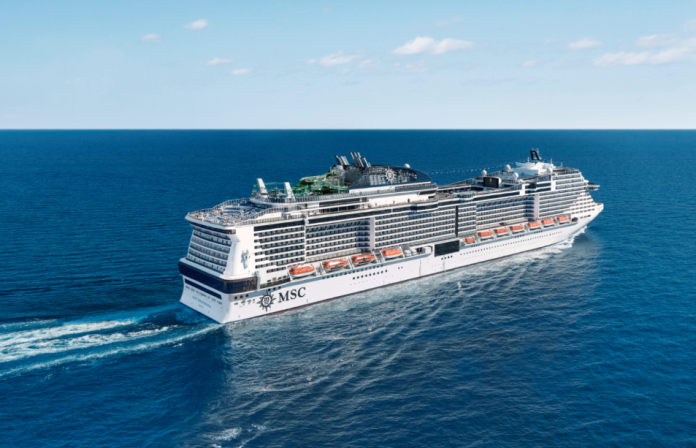
MSC Euribia, the latest gem in MSC Cruises’ fleet, stands as a testament to the company’s unwavering commitment to environmental sustainability and technological innovation. Named after Eurybia. The ancient Greek goddess who commanded the seas through her mastery of the winds, weather, and celestial bodies, MSC Euribia represents a bold vision for the future of cruising. With a suite of advanced features and a dedication to reducing its ecological impact. This new vessel promises to redefine the cruising experience.
MSC Euribia: The Pinnacle of Innovation and Environmental
The choice of name for MSC Euribia is not merely symbolic but reflects a deep respect for maritime heritage and environmental responsibility. Eurybia was revered in Greek mythology for her ability to control the natural elements of the sea. A fitting homage for a ship designed to master the latest technology in sustainable cruising. The ship’s design and operational features echo this legacy, combining artistry and engineering to create a vessel that respects the oceans it traverses.
A Ship Named After a Goddess: Cruise Innovation and Environmental
MSC Euribia is at the forefront of eco-friendly maritime travel, showcasing an array of technologies aimed at minimizing environmental impact. One of the ship’s standout features is its advanced wastewater treatment system. This system ensures that all wastewater produced onboard undergoes rigorous treatment processes before being released. By cleaning the water to exceptionally high standards, MSC Euribia prevents pollutants from entering the ocean and preserves marine ecosystems.
Environmental Stewardship: Pioneering Green Cruising
In addition to its wastewater management, MSC Euribia employs meticulous ballast water management. This technology prevents the transfer of non-native aquatic species between different marine environments, which could potentially disrupt local ecosystems. The ship’s comprehensive waste management system also plays a crucial role in its environmental strategy. Most waste materials are sorted onboard for recycling. Significantly reducing the amount of waste that ends up in landfills.
Energy efficiency is another cornerstone of MSC Euribia’s design. The ship is equipped with a range of energy-saving technologies. Including advanced heating, ventilation, and air conditioning systems. These innovations ensure optimal energy use, reducing the vessel’s overall carbon footprint.
LNG Power: A Leap Towards Cleaner Fuels
A significant advancement for MSC Euribia is its use of Liquefied Natural Gas (LNG) as a primary fuel source. LNG is a cleaner alternative to conventional marine fuels, offering numerous environmental benefits. By using LNG, MSC Euribia reduces sulfur oxide (SOx) emissions by 99%, and particulate emissions by the same margin. This reduction in SOx means that Exhaust Gas Cleaning Systems (EGCS). Commonly known as scrubbers, this decreasing the ship’s environmental impact.
The use of LNG also leads to an 85% reduction in nitrogen oxides (NOx) emissions and cuts greenhouse gas emissions by up to 20%. These significant reductions in harmful emissions align with MSC Cruises’ broader goal of promoting sustainability in the cruise industry. To enhance efficiency even further. The ship’s hull is coated with a special anti-fouling paint. That minimizes the growth of marine organisms, reducing drag and improving fuel efficiency.
A Visual Masterpiece: MSC Euribia Art Meets Innovation
MSC Euribia is not only a marvel of technological advancement but also a canvas of artistic expression. In October 2021, MSC Cruises launched a global competition to find an artist who could create a unique design for the ship’s hull. The winning artwork, created by artist Alex Flämig, is a striking visual representation of MSC Cruises’ commitment to the sea. The #SaveTheSea design, which adorns the ship’s hull, serves as a powerful symbol of the company’s dedication to marine conservation.
The hull’s artwork is not only a visual treat but also a statement of the ship’s role in promoting sustainable tourism. In addition to the primary design, MSC Euribia features a gallery onboard where the five finalists of the hull design competition have their artworks displayed. Allowing guests to appreciate the creativity and passion that went into the project.
Unmatched Onboard Experience: Luxury and Comfort
Beyond its environmental credentials, MSC Euribia offers an exceptional cruising experience, blending luxury with innovation. The ship features five distinctive pools, including one of the largest and most elaborate waterparks at sea. The Main Pool, spanning 1,700 square meters, offers ample space for guests to relax and enjoy their time onboard.
The Galleria Euribia, the longest LED Dome at sea, serves as the heart of the ship’s entertainment and shopping areas. This spectacular indoor promenade is lined with both main and specialty restaurants. As well as a variety of shops, making it a vibrant hub for socializing and leisure. The Galleria is designed to provide guests with a range of dining and shopping options. Ensuring a memorable and enjoyable experience throughout their voyage.
Family-Friendly Features: A Ship for All Ages
MSC Euribia designed with families in mind. By offering a wealth of amenities and activities for guests of all ages. The ship boasts seven dedicated areas for children and teenagers, each tailored to different age groups. These spaces feature a diverse array of entertainment options, ensuring that young guests have a fun and engaging experience.
In addition to its children’s clubs, MSC Euribia provides over 100 hours of live entertainment per cruise. Including nine original family game shows organized by MSC Cruises’ youth staff. The ship also introduces the MSC Foundation Youth Centre, a unique initiative focused on educating young passengers about sustainability and environmental stewardship. This center offers interactive activities and programs aimed at fostering a sense of responsibility for the planet among the next generation.
Luxury and Wellness: The MSC Yacht Club and Aurea Spa
For those seeking the ultimate in luxury, the MSC Yacht Club offers an exclusive experience that combines elegance with privacy. This VIP area features the best locations for cabins, a dedicated restaurant, lounges, and a private pool area with solarium and whirlpool baths. Guests in the Yacht Club also enjoy 24-hour butler service, and dedicated massage rooms. Full access to the Thermal Suite in the MSC Aurea Spa, ensuring a truly indulgent experience.
The MSC Aurea Spa, located onboard MSC Euribia, is a haven of relaxation and wellness. The spa’s exclusive Thermal Area includes a sauna, steam bath, and whirlpool. By providing guests with a range of treatments designed to rejuvenate the body and mind. The spa also features a professional hair and nail salon, as well as a Barber Shop. Offering a comprehensive suite of beauty and wellness services.
Shopping and Dining: A World of Choices
MSC Euribia’s shopping experience is anchored by TimeVallée. A luxury retail space that features an array of high-end watch brands. This exclusive shopping venue allows guests to find the perfect memento of their cruise or purchase any items they may have forgotten at home.
Dining onboard MSC Euribia is equally impressive, with a range of options to suit every taste. The ship’s restaurants offer a diverse array of cuisines. From gourmet dining to casual fare, ensuring that guests can enjoy a culinary experience that complements their voyage.
Conclusion: A New Standard in Cruising
MSC Euribia sets a new benchmark in the cruise industry, blending cutting-edge technology with artistic design and luxurious amenities. Its commitment to environmental sustainability, combined with its innovative features and exceptional guest experience. Makes it a standout choice for travelers seeking both luxury and responsibility.
As MSC Cruises continues to lead the way in eco-friendly cruising. MSC Euribia represents a significant step forward in the quest for a more sustainable and enjoyable maritime journey. Whether you are an environmentally-conscious traveler or simply seeking a luxurious escape. The MSC Euribia promises an unforgettable experience that aligns with the values of modern cruising.
The metaverse, a virtual universe of interconnected digital spaces, is becoming a crucial frontier for luxury brands. These brands are leveraging advanced technologies such as augmented reality (AR), virtual reality (VR), and blockchain to redefine luxury in the digital age. As the lines between the physical and digital worlds blur, luxury brands are exploring new ways to engage with tech-savvy consumers and expand their reach in innovative and immersive ways.
The Emergence of Digital Fashion Luxury Brands
Luxury fashion brands are at the forefront of this digital transformation. Virtual fashion allows brands to create unique digital garments and accessories that consumers can use to dress their avatars in various online environments. For instance, brands like Gucci and Louis Vuitton have ventured into the metaverse with virtual stores and exclusive digital collections. Gucci collaborated with Roblox to create a virtual “Gucci Garden,” allowing users to purchase exclusive digital items for their avatars. This initiative not only showcases Gucci’s creativity but also targets younger, tech-savvy audiences who are active in the gaming world.
Virtual Luxury Brands Fashion Shows
The metaverse also hosts virtual fashion shows, offering brands a platform to display their latest collections in a dynamic and interactive environment. In March 2022, Decentraland hosted the first-ever Metaverse Fashion Week, featuring brands like Dolce & Gabbana, Elie Saab, and more. This event included virtual runway shows, digital after-parties, and even wearable competitions, creating a fully immersive fashion experience that transcends traditional physical shows. These virtual shows are not only innovative but also more sustainable, as they significantly reduce the carbon footprint associated with physical events.
NFTs and Digital Ownership
Non-fungible tokens (NFTs) have revolutionized digital ownership, enabling brands to create and sell unique digital assets. NFTs can represent anything from virtual fashion items to exclusive digital art pieces. For luxury brands, NFTs offer a way to create limited-edition digital products that can be bought, sold, and traded on blockchain platforms. This digital scarcity adds value and exclusivity, akin to limited edition physical products. Brands like Balenciaga and Louis Vuitton have explored this space by releasing NFT collections that resonate with both fashion enthusiasts and digital collectors.
Bridging the Physical and Digital Worlds
Many luxury brands are creating hybrid experiences that bridge the gap between the physical and digital worlds. For example, some digital fashion items come with a physical counterpart, allowing consumers to enjoy the product both in the virtual and real world. Cult & Rain, a brand known for its high-end sneakers, offers NFTs that include a physical pair of shoes along with their digital twin. This dual approach caters to consumers who appreciate the tangible aspect of luxury while also embracing the digital future.
Payment and Transactions in the Metaverse
Transacting in the metaverse often involves cryptocurrencies, providing a secure and efficient way to handle digital transactions. Platforms like Decentraland and Roblox have their digital currencies that users can use to buy virtual items. Additionally, some luxury brands are exploring the use of popular cryptocurrencies like Bitcoin and Ethereum for transactions. For instance, Gucci accepts ApeCoin, the cryptocurrency associated with the Bored Ape Yacht Club (BAYC), for purchases in its U.S. stores. This integration of digital currencies not only simplifies transactions but also aligns with the tech-forward ethos of the metaverse.
Challenges and Considerations
While the opportunities in the metaverse are vast, luxury brands must navigate several challenges. Ensuring the security and authenticity of digital assets is paramount, as the decentralized nature of blockchain can attract fraudulent activities. Brands must also consider the legal and regulatory implications of digital transactions and ownership. Additionally, sustainability remains a critical issue. While virtual fashion can reduce the environmental impact of traditional production, the energy consumption of blockchain technology and the metaverse’s infrastructure need to be addressed.
Luxury Brands: Future Prospects
The future of luxury in the metaverse looks promising. As technology continues to evolve, the metaverse will offer even more sophisticated and immersive experiences. Brands that adapt to this digital playground will not only enhance their visibility and reach but also create new revenue streams. The global metaverse market is expected to grow exponentially, with estimates suggesting it could be worth nearly $800 billion in the coming years. This growth presents a significant opportunity for luxury brands to innovate and lead in the digital age.
In conclusion, the metaverse is transforming the landscape of luxury fashion. By embracing digital innovation, luxury brands can create unique, engaging experiences that resonate with modern consumers. Whether through virtual fashion shows, NFTs, or hybrid physical-digital products, the possibilities are limitless. As the metaverse continues to expand, it will undoubtedly become an integral part of the luxury industry’s future.
NFTs and Digital Collectibles: The Future of New Luxury Assets
Non-fungible tokens (NFTs) and digital collectibles are revolutionizing the concept of luxury assets. Offering a fresh paradigm for ownership, investment, and engagement in the digital age. These digital assets are always authenticated and secured. Are gaining immense traction in various sectors, including art, gaming, sports, and high-end products.
The Rise of NFTs in the Luxury Market
NFTs provide a unique digital signature for items, ensuring authenticity, provenance, and scarcity. This capability is particularly beneficial in the luxury market. The value is often tied to their exclusivity and authenticity. By linking physical luxury items with their digital counterparts, NFTs enable a seamless verification process. Reducing the risk of counterfeits and enhancing consumer trust.
Digital Art and Collectibles
One of the earliest and most notable applications of NFTs has been in the digital art space. Iconic projects like CryptoPunks and Bored Ape Yacht Club have set the standard for digital collectibles. These collections feature unique, pixelated characters or detailed illustrations, each with distinct traits and attributes, making them highly sought after by collectors. The value of these NFTs has skyrocketed, with some pieces fetching millions of dollars in the market.
NFTs also extend to other forms of digital collectibles, such as NBA Top Shot. Which offers digital highlights of iconic basketball moments. These “moments” are sold in limited quantities. Ensuring rarity and driving high demand among sports enthusiasts.
Virtual Real Estate and In-Game Assets
The gaming industry has embraced NFTs to revolutionize virtual economies. In-game items, characters, and virtual real estate can now be tokenized. By giving players true ownership of their digital assets. This ownership model allows players to trade or sell their assets across different platforms, creating new revenue streams and enhancing the gaming experience. Platforms like Decentraland and The Sandbox are leading this trend. Offering virtual worlds where users can buy, sell, and develop digital real estate.
Phygital NFTs: Bridging the Physical and Digital Worlds
Phygital NFTs, which combine physical and digital elements, are gaining popularity. For instance, luxury watchmaker Jacob & Co. collaborated with NFT platform ArtGrails to create a tokenized version of a high-end timepiece, offering both a physical watch and its digital twin. This approach not only verifies authenticity but also adds a new layer of engagement for collectors, who can display their digital assets in virtual environments.
NFTs in Music and Entertainment
The music industry is also exploring the potential of NFTs. Artists like Kings of Leon have released albums as NFTs, bundling exclusive content and lifetime concert passes with their digital releases. This model allows musicians to bypass traditional distribution channels, directly reaching their fans and maximizing revenue.
Similarly, NFTs are being used to create unique digital experiences. And merchandise for fans, enhancing engagement and loyalty. Virtual concerts and exclusive digital collectibles provide fans with new ways to connect with their favorite artists.
Challenges and Future Prospects
Despite their promising potential, NFTs face several challenges, including technical complexity, high costs, and environmental concerns. The energy consumption of blockchain technology, particularly with proof-of-work systems like Ethereum, has raised significant environmental issues. However, the industry is actively seeking solutions, such as transitioning to more sustainable blockchain technologies like proof-of-stake and utilizing renewable energy sources.
As NFTs continue to evolve. Offering new opportunities for creators, collectors, and investors. By ensuring authenticity, enhancing engagement, and enabling new forms of ownership, NFTs are transforming the luxury market and paving the way for a digital future.
Conclusion
NFTs and digital collectibles significantly shift how we perceive and manage luxury assets. From digital art and virtual real estate to music and phygital assets, NFTs unlock new possibilities and create a vibrant ecosystem of digital ownership. As technology matures and adoption grows, NFTs in the luxury market will expand, offering innovative solutions and experiences for a new generation of consumers.
By embracing NFTs, luxury brands can not only safeguard the authenticity of their products but also engage with a tech-savvy audience, ensuring relevance in an increasingly digital world. The future of luxury assets lies in the seamless blend of the physical and digital realms, driven by the transformative power of NFTs.
For further details, you can refer to the sources:
The concept of virtual real estate has transitioned from the realm of science fiction into a tangible reality, significantly impacting how we perceive property ownership and investment. The metaverse—a collective virtual shared space, created by the convergence of virtually enhanced physical reality and physically persistent virtual space—offers unprecedented opportunities for luxury living.
The Rise of Virtual Real Estate
Virtual real estate is gaining momentum as major tech companies invest heavily in developing metaverse platforms. For example, Meta (formerly Facebook) has rebranded itself to emphasize its commitment to the metaverse, aiming to create immersive digital environments where users can interact, work, and play. Similarly, Epic Games, the company behind Fortnite, is expanding its platform to support social hubs and virtual experiences beyond gaming.
Leading Metaverse Platforms
Several platforms have emerged as key players in the virtual real estate market:
The Sandbox: This platform allows users to buy, develop, and monetize virtual properties. The Sandbox has partnered with major entertainment companies like Warner Music Group and Lionsgate to create themed virtual neighborhoods. Enhancing the appeal of its digital real estate (Bold Awards).
Decentraland: Operating on the Ethereum blockchain. Decentraland offers a decentralized virtual world where users can purchase parcels of land, build structures, and engage in various activities. Its marketplace supports transactions using its native cryptocurrency, MANA (RealityMAX 3D AR).
Cryptovoxels: Another Ethereum-based virtual world, Cryptovoxels enables users to buy and build on virtual land parcels. It is known for its voxel-based design and active community of creators and traders (RealityMAX 3D AR).
Somnium Space: This VR metaverse provides a fully immersive experience where users can explore, socialize, and own virtual properties. It supports a variety of activities, including virtual events and social gatherings (Bold Awards).
Investment Opportunities and Market Dynamics
The allure of virtual real estate lies in its potential for high returns and the novel experiences it offers. Here are some key aspects of investing in virtual real estate:
Tokenization of Properties: Blockchain technology enables real estate tokenization, representing properties as digital tokens. This innovation facilitates faster transactions, reduces costs, and enhances transparency (The Blockverse).
Fractional Ownership: Tokenization supports fractional ownership, making it easier for multiple investors to own property shares. This democratizes real estate investment, allowing more people to participate in the market (The Blockverse).
Virtual Land as NFTs: Increasingly, non-fungible tokens (NFTs) represent ownership of virtual land. NFTs provide a secure and transparent way to record ownership, allowing trade on various marketplaces (The Blockverse).
Virtual Economy: The metaverse hosts a burgeoning virtual economy where users trade digital assets, including virtual land. This economy mirrors real-world commerce, with virtual items and properties holding genuine value based on demand and utility (RealityMAX 3D AR) (The Blockverse).
Benefits of Virtual Real Estate
Investing in virtual real estate offers several advantages:
Accessibility: Virtual properties are accessible to a global audience, breaking down geographical barriers and opening up investment opportunities to a wider pool of investors.
Flexibility: Virtual land can be developed for various purposes, such as entertainment venues, virtual offices, and social hubs. This versatility enhances the value of virtual real estate (The Blockverse).
Innovative Marketing: Virtual real estate platforms offer immersive 3D tours and interactive experiences, allowing potential buyers to explore properties in detail before making a purchase. This enhances the efficiency of the real estate market (The Blockverse).
Challenges and Considerations
While virtual real estate presents exciting opportunities, there are challenges to consider:
Regulatory Uncertainty: The lack of a unified regulatory framework for virtual real estate can impact user rights and the security of investments. Clear regulations are needed to protect investors and ensure fair transactions (Bold Awards).
Market Volatility: The value of virtual properties can be highly volatile, influenced by trends in the broader cryptocurrency and NFT markets. Investors should be prepared for fluctuations in property values (Bold Awards).
Technical Barriers: Navigating the metaverse and managing virtual properties require a certain level of technical proficiency. Potential investors must understand the technology and platforms involved to make informed decisions.
Conclusion
The metaverse is reshaping the future of luxury living by creating a new frontier for real estate. As virtual environments become more sophisticated and integrated into our daily lives, the potential for virtual real estate will continue to grow. For discerning investors and enthusiasts, exploring virtual real estate offers a blend of innovation, creativity, and lucrative opportunities, making it an exciting addition to the world of luxury living.
By staying informed and understanding the dynamics of this evolving market, individuals can position themselves to take advantage of the transformative potential of virtual real estate.
Creating a path from an image in Adobe Photoshop enables precise selections based on the outlines of objects or shapes within the image. Paths are incredibly useful for various tasks, such as creating selections, applying special effects, or defining shapes for vector-based work. This guide will provide a step-by-step approach to creating a path from an image in Photoshop, along with practical tips and best practices.
Introduction to Path Creation
Why Use Paths in Photoshop?
Paths are versatile and offer more control than traditional selection tools. They allow for smooth, adjustable curves and can be saved and reused, making them ideal for complex selections and vector-based tasks.
Applications of Paths
Paths can be used for:
Creating precise selections
Applying special effects
Defining shapes for vector-based work
Designing effective advertisments
Adobe Photoshop Steps to Create a Path from an Image
1: Open Your Image
Open Adobe Photoshop and load the image you want to work with.
Ensure the Layers panel is visible. If not, go to Window > Layers to display it.
2: Duplicate the Layer
In the Layers panel, right-click on the layer containing the image and choose Duplicate Layer. This step is optional but recommended to work on a separate layer to preserve the original image.
3: Access the Paths Panel
With the duplicated layer selected, click on the Paths tab, usually located alongside the Layers tab.
Click on the Create new path button at the bottom of the Paths panel. This will create a new path named “Work Path.”
4: Select the Pen Tool on Adobe Photoshop
Select the Pen Tool from the toolbar on the left side of the Photoshop interface (shortcut: press “P” on your keyboard).
Zoom in on the area where you want to start creating the path. It’s easier to work on smaller segments rather than the entire path at once.
5: Start Creating the Path on Adobe Photoshop
Position the Pen Tool where you want to start the path, click to set the first anchor point, and then click and drag to create curved segments if needed. Each click sets an anchor point, and each click and drag creates a curve.
Continue placing anchor points and adjusting the curves until you have traced the entire object or shape you want to create a path around. You can click and drag on anchor points to adjust the curves further.
Adjusting and Saving Your Path
Step 6: Adjust Path Properties
Once you have completed the path, you can adjust its properties using the options in the Paths panel. For example, you can change the path’s color, stroke, or fill settings.
Step 7: Convert Path to Selection
To convert the path into a selection, go to the top menu and choose Select > Load Selection. In the dialog box that appears, make sure “Work Path” is selected, and click “OK.”
You can now use the selection for various purposes, such as applying adjustments, adding a layer mask, or copying the selection to a new layer.
Practical Applications in Advertising
Using Paths in Digital Advertising
Paths are not just for artistic purposes; they play a crucial role in digital advertising and ad network scripts. For instance, creating precise selections and shapes can help in designing effective advertisments, enhancing the overall look and impact of digital ads.
Enhancing Ad Creativity With Adobe Photoshop
Paths allow advertisers and publishers to create more appealing and professional-looking ads. Whether you are working on an ad marketplace, an ad network, or using a PHP ad network, mastering path creation can significantly improve the quality of your online ads.
Increasing Traffic and Engagement
By using paths to create high-quality visuals, you can increase traffic and engagement. Well-designed ads attract more clicks and views, contributing to the success of your advertising campaigns.
Tips for Mastering Path Creation
Practice Makes Perfect
Creating a path requires some practice and precision, especially when dealing with complex shapes. Don’t worry if it takes a few attempts to get the hang of it. With time and experience, you’ll become more comfortable and efficient with the Pen Tool and path creation in Photoshop.
Adobe Photoshop Utilize Online Resources
There are numerous tutorials and resources available online that can help you improve your path creation skills. Websites, forums, and video tutorials offer valuable insights and tips from experienced users.
Experiment with Different Tools
Photoshop offers a variety of tools and features that can complement your path creation process. Experiment with different tools and settings to find what works best for your specific needs.
Conclusion:
Mastering path creation in Adobe Photoshop is a valuable skill that can enhance your design and advertising projects. By following the steps outlined in this guide, practicing regularly, and exploring additional resources, you can create precise, professional paths that elevate your work. Whether you are designing targeted ads, working on an ad network script, or simply enhancing your images, path creation is an essential technique to have in your Photoshop toolkit.
By understanding and utilizing paths effectively, you can make your digital ads more appealing and increase traffic, ultimately contributing to your success in the competitive world of online advertising.
The Evolution Of Personalize: Crafting Unique Luxury Experiences. In 2024, personalization is not just a trend in the luxury sector; it is a fundamental expectation. The modern luxury consumer seeks more than high-quality products and services—they desire experiences that resonate deeply with their personal preferences and lifestyle.
The Evolution Of Personalize
Luxury brands are responding by crafting bespoke experiences, whether through tailored travel packages, customized wellness programs, or exclusive event access. This shift towards personalization is transforming various sectors, including hospitality and retail, leveraging customer data to deliver exceptional, individualized experiences.
The Evolution Of Personalize: Unique Luxury Experiences
Personalization in the luxury industry goes beyond merely addressing consumers by their names. It involves a deep understanding of individual preferences, habits, and desires to create experiences that are unique and memorable. High-end consumers are increasingly expecting brands to anticipate their needs and offer tailored solutions that reflect their tastes and lifestyles.
Bespoke Travel Experiences
Travel is a prime area where personalization is making a significant impact. Bespoke travel packages that cater to the specific preferences of travelers are becoming increasingly popular. These customized travel experiences can range from exclusive private tours and personalized itineraries to bespoke accommodations and unique local experiences. For instance, luxury travel companies like Black Tomato and Abercrombie & Kent specialize in creating tailor-made travel experiences that cater to the specific desires of their clients. Whether it’s a private island retreat, a cultural immersion tour. An adventure trip tailored to personal interests.
The Evolution Of Personalize: Customized Wellness Programs
The wellness sector is another area where personalization is taking center stage. Luxury wellness programs are now being customized to meet the specific health and wellness goals of individuals. These programs can include personalized fitness plans, bespoke spa treatments, and tailored nutritional guidance. Resorts and wellness centers like the Aman Resorts and Six Senses offer personalized wellness journeys that start with a detailed consultation to understand the guest’s health goals and preferences. Followed by a bespoke program that includes treatments, activities, and dietary plans tailored to individual needs (Mediaboom) (MeTimeAway).
Leveraging Data for Personalized Services
The rise of big data and advanced analytics has played a crucial role in enabling luxury brands to offer personalized services. By collecting and analyzing customer data. Brands can gain insights into individual preferences and behaviors, allowing them to tailor their offerings more effectively.
Data-Driven Personalization in Hospitality
In the hospitality sector, data-driven personalization is transforming the guest experience. Luxury hotels and resorts are using customer data to offer personalized services that enhance the guest experience. This can include everything from personalized room settings and amenities to bespoke dining experiences and tailored recommendations for local activities. For example, hotels might use guest preferences from previous stays to customize the room setup. Ensuring that everything from the room temperature to the type of pillow matches the guest’s preferences. Ritz-Carlton and Four Seasons are among the luxury hotel chains that excel in providing highly personalized guest experiences. By leveraging customer data.
Unique Luxury Experiences Retail Personalization
In retail, luxury brands are using data to offer personalized shopping experiences. This can involve personalized product recommendations, customized shopping experiences, and exclusive offers based on customer preferences. Luxury fashion brands like Burberry and Gucci use advanced analytics to understand customer behavior and preferences. Enabling them to offer personalized product suggestions and exclusive previews of new collections. This level of personalization enhances customer loyalty and creates a more engaging shopping experience (LuxLife Magazine) (On-demand Consumer Research | GWI).
The Evolution Of Personalize: Creating Unique, High-Touch Experiences
The emphasis on personalization in the luxury sector is about creating unique, high-touch experiences that make consumers feel special and valued. This involves not only understanding and meeting their needs but also anticipating them and exceeding expectations.
Exclusive Access and VIP Experiences
One way luxury brands are achieving this is by offering exclusive access and VIP experiences. This can include everything from private events and exclusive product launches to personalized concierge services and access to unique experiences that are not available to the general public. For example, luxury car brands. Like Bentley and Rolls-Royce offer their clients exclusive access to events, private test drives, and personalized customization options for their vehicles. Creating a sense of exclusivity and privilege.
Personalized Digital Experiences
With the increasing importance of digital interactions, luxury brands are also focusing on creating personalized digital experiences. This can include personalized websites and apps that adapt to individual user preferences, tailored digital content, and personalized communication through email and social media. By using technologies like artificial intelligence and machine learning. Brands can create digital experiences that are as personalized and engaging as their physical counterparts. This ensures a seamless and consistent experience across all touchpoints, whether online or offline.
The Future of Personalization in Unique Luxury Experiences
The future of personalization in the luxury sector is likely to be driven by continued advancements in technology and an increasing focus on customer-centricity. As consumers become more accustomed to personalized experiences. Their expectations will continue to rise, pushing brands to innovate and find new ways to deliver exceptional, individualized experiences.
Hyper-Personalization through AI and Machine Learning
Artificial intelligence (AI) and machine learning (ML) are expected to play a significant role in the future of personalization. These technologies can analyze vast amounts of data to uncover patterns and insights that can be used to create hyper-personalized experiences. For example, AI can be used to predict customer preferences based on their past behavior and offer tailored recommendations in real time. This level of personalization can enhance customer satisfaction and loyalty by providing experiences that are highly relevant and engaging.
Immersive and Interactive Experiences
The future of personalization will also likely involve more immersive and interactive experiences. Technologies like virtual reality (VR) and augmented reality (AR) can create highly personalized and immersive experiences that allow customers to interact with brands in new and exciting ways. For example, luxury travel companies could use VR to offer virtual tours of destinations, allowing customers to explore and customize their travel plans before booking. Similarly, luxury fashion brands could use AR to offer virtual try-ons, enabling customers to see how products will look and fit before making a purchase.
As sustainability becomes an increasingly important consideration for luxury consumers, the future of personalization will also need to incorporate sustainable practices. This can include using sustainable materials and production methods for personalized products.Offering eco-friendly travel options, and ensuring that personalized experiences are designed with environmental responsibility in mind. By integrating sustainability into their personalization strategies. Luxury brands can meet the evolving expectations of their customers and contribute to a more sustainable future.
Conclusion:
The evolution of personalization in the luxury sector reflects a broader shift towards customer-centricity and the desire for unique, meaningful experiences. By leveraging data and technology, luxury brands can offer highly personalized services and products that resonate deeply with individual preferences and lifestyles. As consumer expectations continue to rise. The future of personalization will be driven by innovation and a commitment to delivering exceptional, individualized experiences. Whether through bespoke travel packages, customized wellness programs, or exclusive access to events, personalization is set to remain a cornerstone of the luxury lifestyle, creating memorable and meaningful experiences that truly stand out.
Eco-Conscious Luxury: As the global consciousness around environmental sustainability grows, the luxury sector is evolving to meet the demands of eco-conscious consumers. This shift is not only about adopting green practices but also about redefining luxury to include sustainability as a core component. High-end consumers are increasingly willing to pay a premium for sustainable luxury experiences that do not compromise on opulence. This trend spans across various industries, including travel, hospitality, and lifestyle, where options like carbon-neutral flights, eco-friendly hotels, and preservation projects are becoming the new standard.
The New Face of Luxury Travel
Luxury travel has traditionally been associated with indulgence and extravagance. However, the modern luxury traveler is looking for more than just opulence—they are seeking experiences that align with their values, particularly regarding sustainability. According to a study by Virtuoso, 74% of travelers are willing to pay more to travel sustainably if they know where their money is going (MeTimeAway).
Carbon-Neutral Flights and Eco-Friendly Hotels
One of the most significant developments in sustainable luxury travel is the rise of carbon-neutral flights. Airlines are increasingly offering options for passengers to offset their carbon emissions, and some are investing in more fuel-efficient aircraft and alternative fuels. For instance, initiatives like carbon offset programs allow travelers to contribute to environmental projects that balance out the carbon footprint of their flights.
Eco-friendly hotels and resorts are also becoming a staple in the luxury travel industry. These establishments go beyond the typical green certifications by implementing comprehensive sustainability programs. This includes using renewable energy sources, reducing water consumption, eliminating single-use plastics, and sourcing local and organic food. Properties such as the Six Senses resorts are renowned for their commitment to sustainability, offering guests luxury experiences that are deeply connected to the environment (LuxLife Magazine) (MeTimeAway).
Sustainable Wellness Retreats
Wellness tourism is another area where sustainability is gaining prominence. High-end wellness retreats are incorporating eco-conscious practices to appeal to discerning travelers who prioritize health and the environment. These retreats often feature sustainable architecture, locally sourced and organic meals, and wellness activities that promote a deeper connection with nature. Practices such as forest bathing, which involves immersing oneself in a forest environment to enhance health and well-being, are becoming popular at luxury wellness retreats. The emphasis is on creating a holistic experience that nurtures both the individual and the planet (LuxLife Magazine) (MeTimeAway).
Eco-Conscious Hospitality Practices
The hospitality industry is integral to the luxury travel experience, and it is here that the most significant strides in sustainability are being made. Eco-conscious hospitality practices are not just about minimizing environmental impact but also about enhancing the guest experience in ways that are meaningful and memorable.
Preservation Projects and Conservation Efforts
Luxury hotels and resorts are increasingly involved in preservation projects and conservation efforts. This can include activities such as protecting local wildlife, restoring natural habitats, and supporting community-based tourism initiatives. By participating in these projects, guests can enjoy unique, immersive experiences while contributing to the conservation of the destinations they visit. For example, some luxury lodges in Africa offer safaris that not only provide close encounters with wildlife but also educate guests about conservation efforts and how they can contribute to preserving these natural wonders (Mediaboom) (LuxLife Magazine).
Ethical Sourcing and Community Engagement
Ethical sourcing is another critical aspect of eco-conscious hospitality. Luxury establishments are prioritizing the use of sustainably sourced materials and products, from construction materials to food and beverages. This not only reduces their environmental footprint but also supports local economies and communities. By engaging with local artisans and producers, luxury hotels can offer unique, culturally rich experiences that resonate with guests on a deeper level.
Community engagement is also a key component of sustainable luxury hospitality. Many high-end resorts and hotels are working closely with local communities to develop tourism practices that benefit everyone. This can include training and employing local staff, supporting local businesses, and participating in cultural preservation projects. Such initiatives not only enhance the guest experience but also foster a sense of connection and responsibility towards the destinations they visit (Mediaboom) (LuxLife Magazine) (MeTimeAway).
Innovations in Sustainable Eco-Conscious Luxury
Innovation is at the heart of the sustainable luxury movement. Brands are continuously finding new ways to incorporate sustainability into their offerings without compromising on luxury. This involves rethinking traditional practices and embracing new technologies and materials.
Smart and Sustainable Design
Sustainable design is becoming a hallmark of luxury architecture and interior design. This involves using sustainable materials, maximizing natural light and ventilation, and incorporating energy-efficient systems. Many luxury properties are now built with a focus on sustainability from the ground up, ensuring that every aspect of their design minimizes environmental impact. For example, some resorts use reclaimed wood and recycled materials for construction, while others incorporate green roofs and living walls to enhance biodiversity and reduce energy consumption (Mediaboom) (LuxLife Magazine).
Waste Reduction and Circular Eco-Conscious Luxury
Waste reduction is another critical area where luxury brands are making significant strides. From eliminating single-use plastics to implementing comprehensive recycling programs, the goal is to minimize waste and promote a circular economy. Some luxury hotels have even adopted zero-waste initiatives, where they aim to send no waste to landfills. This involves rethinking everything from food service to housekeeping practices to ensure that waste is minimized and resources are reused whenever possible.
In addition to these practices, many luxury brands are exploring ways to extend the lifecycle of their products through upcycling and repurposing. For example, some fashion brands are creating new collections from unsold or returned items, while others are offering repair services to extend the life of their products. These initiatives not only reduce waste but also provide customers with unique, one-of-a-kind items that tell a story of sustainability (MeTimeAway).
The Role of Technology in Sustainable Luxury
Technology plays a crucial role in advancing sustainable practices within the luxury sector. From smart home systems that optimize energy use to digital platforms that promote transparency and traceability, technology is helping luxury brands meet the demands of eco-conscious consumers.
Smart Home Systems and Energy Efficiency: Eco-Conscious Luxury
Smart home systems are becoming increasingly popular in luxury residences and hotels. These systems use advanced sensors and automation to optimize energy use, reducing consumption without compromising on comfort. For example, smart thermostats can adjust the temperature based on occupancy, while smart lighting systems can reduce energy use by automatically turning off lights when rooms are unoccupied. These technologies not only enhance the guest experience but also significantly reduce the environmental impact of luxury properties (Mediaboom) (On-demand Consumer Research | GWI).
Digital Platforms for Transparency and Traceability
Transparency and traceability are essential for building trust with eco-conscious consumers. Digital platforms that provide detailed information about the sourcing and production of luxury goods can help consumers make informed choices. For example, blockchain technology is being used to create transparent supply chains that allow consumers to trace the origins of products and verify their sustainability credentials. This level of transparency not only enhances the reputation of luxury brands but also empowers consumers to support sustainable practices.
In addition to blockchain, digital platforms are being used to promote sustainable tourism and hospitality practices. Apps and websites that highlight eco-friendly accommodations, activities, and transportation options can help travelers plan more sustainable trips. These platforms often provide detailed information about the environmental impact of different choices, making it easier for travelers to align their travel plans with their values (On-demand Consumer Research | GWI).
The Future of Sustainable Luxury
The future of sustainable luxury looks promising as more brands and consumers embrace eco-conscious practices. As sustainability becomes an integral part of the luxury experience, we can expect to see even more innovative solutions and practices that prioritize the environment without compromising on quality or luxury.
Integration of Sustainability into Brand Identity
For many luxury brands, sustainability is becoming a core component of their identity. This involves not only adopting sustainable practices but also communicating these efforts effectively to consumers. Brands that can successfully integrate sustainability into their identity and storytelling are likely to resonate more deeply with eco-conscious consumers and gain a competitive edge in the market.
Collaboration and Partnerships
Collaboration and partnerships are essential for advancing sustainability in the luxury sector. By working together, brands can share best practices, develop new technologies, and create more impactful sustainability initiatives. This can include collaborations between luxury brands and environmental organizations, partnerships with local communities, and industry-wide initiatives to promote sustainable practices.
For example, some luxury fashion brands are partnering with environmental organizations to develop sustainable materials and production methods. Others are collaborating with local communities to support sustainable tourism practices that benefit both the environment and the local economy. These partnerships not only enhance the sustainability of luxury brands but also create a positive impact on the wider community and environment (LuxLife Magazine) (MeTimeAway) (On-demand Consumer Research | GWI).
Education and Advocacy
Education and advocacy are also crucial for promoting sustainable luxury. By educating consumers about the importance of sustainability and how they can make more eco-conscious choices, luxury brands can drive positive change in the industry. This can include initiatives such as sustainability workshops, educational campaigns, and partnerships with educational institutions.
Advocacy efforts can also play a significant role in advancing sustainability in the luxury sector. By advocating for stronger environmental regulations and supporting initiatives that promote sustainability, luxury brands can help create a more sustainable future for the industry. This can include lobbying for policies that promote renewable energy, waste reduction, and sustainable sourcing practices (LuxLife Magazine) (MeTimeAway) (On-demand Consumer Research | GWI).
Conclusion:
The rise of eco-conscious luxury is a testament to the growing importance of sustainability in the modern world. As high-end consumers increasingly prioritize environmental responsibility, luxury brands are finding innovative ways to meet these demands while maintaining their commitment to quality and opulence. From carbon-neutral flights and eco-friendly hotels to sustainable wellness retreats and ethical sourcing practices, the luxury sector is evolving to create experiences that are both luxurious and sustainable. By embracing these practices and continuing to innovate, the luxury industry can lead the way in promoting a more sustainable future.
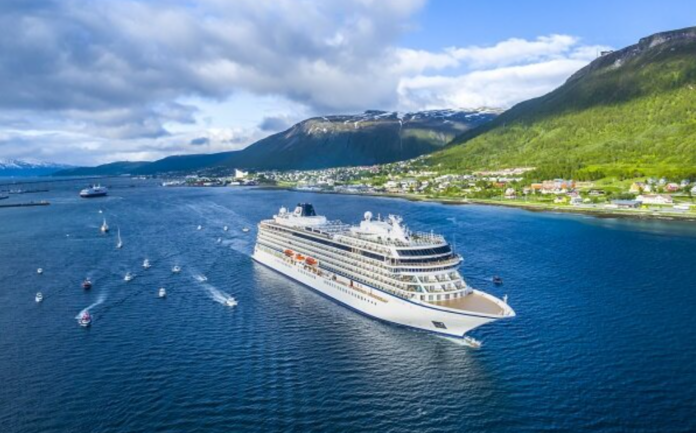
Since its inception, Viking Ocean Cruises has revolutionized the cruise industry. Offering discerning travelers a unique blend of luxury, exploration, and cultural immersion.
Setting Sail: The Genesis of Viking Ocean Cruises
Founded in 2015 by Torstein Hagen, Viking Ocean Cruises emerged as an extension of the wildly successful Viking River Cruises. Known for its elegant vessels and enriching itineraries.
Distinctive Features: What Sets It Apart
Viking Ocean Cruises distinguishes itself through its emphasis on destination-focused itineraries, intimate ship sizes, and inclusive amenities, setting a new standard for ocean cruising.
Destination-Focused Itineraries: Exploring the World’s Treasures
Ir prioritizes immersion in each destination. Offering carefully curated itineraries that allow passengers to delve deeply into the history, culture, and natural beauty of each port of call.
Intimate Ship Sizes: A Personalized Experience
With a fleet of small to mid-sized ships, it provides an intimate and relaxed atmosphere. Allowing guests to enjoy personalized service and access to ports unavailable to larger vessels.
Inclusive Amenities: A Commitment to Comfort and Convenience
The Cruises prides itself on its all-inclusive approach. With complimentary perks such as Wi-Fi, shore excursions, specialty dining, and onboard enrichment programs. Ensuring a seamless and enjoyable experience for guests.
The Viking Ocean Cruises Fleet: Elegant Vessels for Discerning Travelers
Viking Ocean Cruises boasts a fleet of state-of-the-art ships. Designed to evoke a sense of Scandinavian elegance while offering modern comforts and amenities.
Viking Star: Inaugurating a New Era of Ocean Cruising
Launched in 2015, Viking Star became the first vessel in the Viking Ocean Cruises fleet. Setting the stage for a new era of exploration and luxury at sea.
Viking Jupiter: Expanding Horizons with Sophistication
Debuting in 2019, Viking Jupiter continues the tradition of excellence set by its predecessors. Offering guests unparalleled comfort and sophistication as they traverse the world’s oceans.
Viking Octantis and Viking Polaris: Venturing into Expedition Cruising
Scheduled to launch in 2022, Viking Octantis and Viking Polaris mark V.O.C.’ foray into expedition cruising. Combining the luxury of its ocean fleet with the thrill of exploration in remote and pristine locales.
The Viking Experience: A Journey Beyond the Ordinary
More than just a cruise line, Viking Ocean Cruises offers guests a transformative travel experience,.Fostering a deeper connection to the destinations visited and creating lasting memories along the way.
Cultural Enrichment: Immersing Guests in Local Traditions
From onboard lectures by renowned experts to immersive shore excursions led by knowledgeable guides, provides guests with unparalleled opportunities to learn about the history, art, and cuisine of each destination.
Culinary Excellence: A Gastronomic Journey Around the World
It also takes pride in its culinary offerings, with a variety of dining venues serving up gourmet cuisine inspired by the regions visited, along with wine pairings curated by expert sommeliers.
Wellness and Recreation: Nurturing Mind, Body, and Spirit
Guests aboard Vthe ship can rejuvenate their minds, bodies, and spirits with a range of wellness amenities, including onboard spas, fitness centers, and immersive activities such as yoga and meditation.
Environmental Stewardship: Sailing Responsibly into the Future
Committed to sustainability, Viking Ocean Cruises implements environmentally friendly practices throughout its operations, from energy-efficient ship design to waste reduction and conservation initiatives.
Viking Ocean Cruises Conclusion:
This ship has redefined luxury travel, offering discerning guests an unparalleled blend of exploration, enrichment, and relaxation aboard its elegant fleet of ships. With a commitment to destination-focused itineraries, intimate ship sizes, and inclusive amenities, The ship continues to set the standard for excellence in ocean cruising, inviting travelers to embark on a journey beyond the ordinary.